
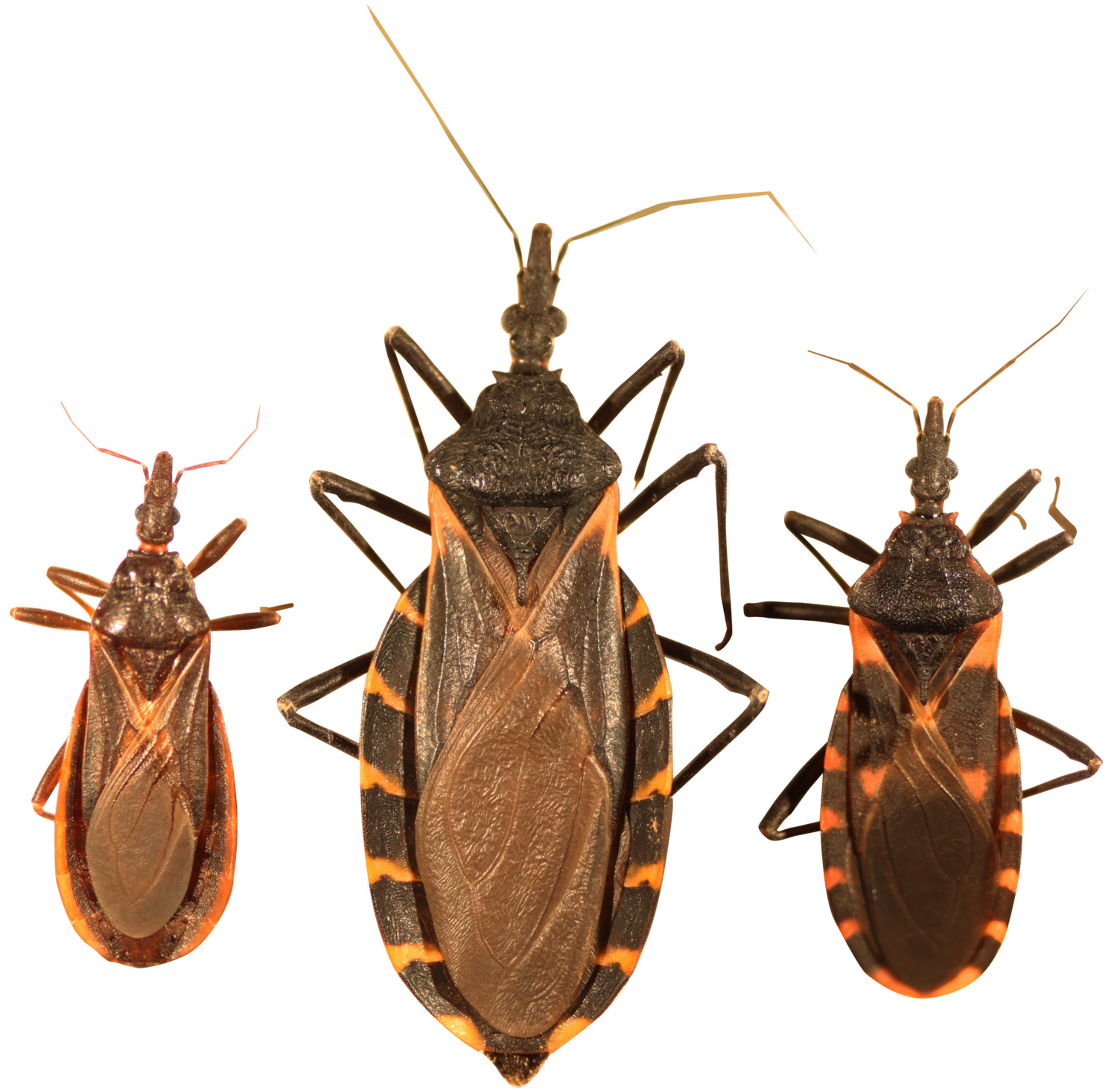
Despite its harmless-sounding name, the "kissing bug" is a potentially dangerous insect that is active throughout Kentucky during the warmer months and can carry a parasite linked to a serious disease.
The insect, scientifically known as Triatoma sanguisuga, is found throughout North, Central and South America, including Kentucky. The primarily nocturnal bug is known for feeding on blood and can carry the parasite Trypanosoma cruzi, which causes Chagas disease.
According to the World Health Organization (WHO), Chagas disease can become life-threatening if left untreated. In its chronic stage, the disease may lead to heart problems as well as digestive and neurological complications.
Many people infected with the parasite may initially experience mild or no symptoms. Common symptoms during the acute phase can include:
Less commonly, patients may develop a skin lesion near the bite site or a purplish swelling of one eyelid, both considered characteristic signs of Chagas disease.
If left untreated, the disease can progress from the acute phase to a chronic infection. Some individuals may remain symptom-free for years, but according to the National Institutes of Health, up to 30% of infected patients eventually develop serious complications, including heart disease, gastrointestinal disorders, or both.
As of April 2026, the WHO estimated that approximately 8 million people worldwide are infected with the Chagas parasite, resulting in more than 10,000 deaths annually.
Treatment is most effective when Chagas disease is diagnosed during its early stages. Two antiparasitic medications are commonly used:
According to the Mayo Clinic, these medications can eliminate the parasite and potentially cure the infection if administered during the acute phase. However, their effectiveness decreases the longer treatment is delayed.
Nifurtimox works by damaging the DNA of the parasite. The drug was approved in 2021 for use in children under 18, though it has not yet received FDA approval for adults.
Once the disease reaches the chronic stage, antiparasitic medications are generally unable to cure the infection, and treatment focuses on managing symptoms and preventing complications.
Diagnosis typically involves laboratory testing that looks for antibodies to the parasite in a patient's blood.
Kentucky is home to the Eastern Bloodsucking Conenose, a species of kissing bug previously reported by the Lexington Herald-Leader. Like other kissing bugs, conenoses prefer warm, moist environments and may feed on humans as well as dogs, cats, frogs and other animals.
Experts say the insects are active from May through October, with peak activity occurring between May and July in Southern states.
The University of Kentucky's Department of Entomology recommends several steps to reduce the chances of kissing bugs entering homes:
If you encounter what appears to be a kissing bug, experts advise not handling it with bare hands and not crushing it, as doing so could increase exposure to the parasite carried by the insect.
As Kentucky enters the height of kissing bug season, residents are encouraged to stay alert and take preventative measures to reduce the risk of exposure.


Comments
No comments on this item Please log in to comment by clicking here